Map the public offers before requesting a proposal
We selected Dash, Idea Digital and Netpeak from the Ukrainian candidates in our editorial brief before reading their offers. The same fields apply to each; names are alphabetical. Sources immediately below the table are the agencies’ own Ukrainian service pages, checked on 23 October 2026. This is a practical sample, not the complete Ukrainian market.
The middle column summarizes declared work. The final column contains our follow-up questions, not findings that a capability is missing. A public service description cannot establish the scope, editor or implementation responsibility for your project. Keep a dated copy and request a written answer.
| Agency / source | Work publicly described | Evidence to request for your project |
|---|---|---|
| Dash — GEO service | Semantic research, content and technical work, monitoring; Pro adds new content and external authority work. | Which package includes implementation? Request a Ukrainian sample, deployed URLs and a monitoring export. |
| Idea Digital — GEO service | Starting visibility audit, question research, content, technical access, external mentions and monthly reports. | Request the baseline question set, editing owner and an anonymized monthly report with complete answers. |
| Netpeak — GEO service | Audience research, technical work, content and external presence; GA4/Looker Studio reporting and monthly visibility checks. | Request metric definitions, implementation ownership and exports separating observations, visits and accepted inquiries. |
Dash: GEO service Idea Digital: GEO website optimization Netpeak Ukraine: GEO service
Copy this evidence request before the first call
Send the same request to each candidate. Replace the bracketed fields with your information; leave unavailable evidence marked unavailable. This is an open purchasing template, not a completed audit or a quote. Ask for anonymized examples that preserve the measurement conditions without exposing personal data.
| Field | Request or complete |
|---|---|
| Market and language | [Service]; [Ukrainian audience]; [city or actual service area]; [other markets separately]. Who researches and approves Ukrainian copy? |
| Starting sample | Provide [exact questions], [platform/mode], [language/location settings], [date], [repeat conditions], complete answers and all cited URLs before changes. |
| Delivery | For each task: [URL], [starting problem], [change], [owner], [dependency], [acceptance evidence]. Separate recommendations from implementation. |
| Reporting | Show mentions, linked citations, recognized referral visits and accepted inquiries separately. Provide definitions, sample size and an export of underlying observations. |
| External sources | Name [publication types], [selection rationale], [approval owner], [paid/owned/editorial status] and [additional costs]. |
| Commercial scope | Separate initial and recurring work. Confirm [currency], [tax treatment], [tools/placements], [approval limit] and [excluded work]. |
| Control and review | Confirm [account/content ownership], [access], [exports], [handover], [review date] and [continue/change/pause criteria]. |
Check Ukrainian buyer questions and local sources
Ask the team to demonstrate how it researches Ukrainian terminology and checks facts with your subject specialist. Confirm the editor and approval process. If your buyers use Polish or English too, keep separate language samples and findings; translating a Ukrainian result does not test another market.
For a Kyiv detailing service, teaching examples could be “Де зробити полірування авто в Києві?”, “Що входить у підготовку кузова до кераміки?” and “Як порівняти пропозиції захисної плівки?”. These are hypothetical scoping questions, not observed demand, measured keywords or client prompts. Build the actual sample from customer conversations and available search data, recording the reason for each question.
For local sources, ask which relevant Ukrainian industry publications, directories or professional communities would help buyers verify the service and why. Check the actual business facts and editorial rules. A Ukrainian domain alone does not establish relevance; a Warsaw case does not establish Kyiv coverage. Separate the agency’s location from the customer market it will research.
Ask what each reported result actually proves
Use the following distinctions as an acceptance rule. They are working definitions for your brief; ask the provider how its tool defines each metric. Do not add values with different denominators or relabel visibility as conversion.
| Result | Evidence to retain | Limit |
|---|---|---|
| Brand mention | Complete answer, exact question, date, platform/mode, language and observation conditions. | A mention need not contain a link or bring a visit. |
| Linked citation | Saved answer with the exact cited URL and surrounding statement. | A citation does not establish a click, recommendation or sale. |
| Recognized referral visit | An anonymized analytics row with source, landing page, period and attribution rules. | Missing referral signals remain unknown; do not assign all Direct visits to AI. |
| Accepted inquiry | An anonymized receipt showing the selected delivery transport accepted the inquiry, linked to available attribution. | A button click is insufficient. Acceptance is not a qualified lead, completed sale or proof that GEO caused it. |
Verify deployed changes and recurring responsibilities
Request a change log with the page before the work, the approved change and the deployed URL or release record. Name who handles the CMS, developer queue, language approval and final acceptance. A recommendation in a PDF is not proof of deployment. Resolve access or engineering dependencies before buying a recurring package.
Separate the initial diagnosis and fixes from recurring editing, repeat observations and external outreach. For each activity, agree coverage, owner and an inspectable output. Review account permissions and exports before granting access; keep business accounts and source material under your control.
Ask for a technical reason for each file or markup task. Google says its AI Overviews and AI Mode do not need special AI files or special schema. This is Google-specific guidance, not a specification for every platform. Implement useful crawlability, content and structured-data work for a stated purpose; do not accept a guaranteed-citation claim based on a file alone.
Read cases and rankings through their limits
For a case, request a relevant language and buyer context, the starting state, dated work, saved observations and attribution limitations. Check the origin and publication permission of evidence. If the baseline is unavailable, retain that gap. A tool score, manual answer screenshot and customer report can each be informative without describing the same population.
Our Scar Studio case, linked below, illustrates disclosed limitations: the supplied monitoring does not establish the exact prompt set, baseline or year of the displayed chart. It concerns a business in Poland and cannot demonstrate Ukrainian-market results. Use it to inspect evidence handling, not as a benchmark or a promise for your project.
When a Ukrainian agency appears in a “best” list, inspect the publisher, date, selection rules and commercial disclosures before using the list for discovery. Request primary evidence for the claims that affect your choice. This comparison does not verify ranking scores, partnerships or third-party reviews, and it assigns no winner.
Agree a review schedule and a decision rule
Save the question set and observation conditions before work starts, then repeat them at an agreed cadence. Keep changed questions in a new version. Show both positive and negative observations and the sample size; a changed answer by itself does not identify which intervention caused it.
A 30/60/90-day schedule can organize checks: confirm implementation and access, review repeat observations, then decide whether to continue, change priorities or pause. These are review dates, not deadlines for citations, traffic or inquiries. Slow implementation and insufficient evidence call for different decisions.
Compare prices only after matching deliverables, approvals and exclusions. Request currency, tax treatment and separate tool or publication charges in writing. This article does not estimate market prices or interpret your contract. Google’s SEO hiring guidance supports transparent methods and communication and warns against guaranteed Google rankings; it is not GEO accreditation.
Choose the proposal whose evidence you can inspect
Shortlist agencies that can cover your actual Ukrainian audience, implement the agreed work and preserve useful evidence. Resolve critical unknowns before signing. If the first task is still unclear, ask for a bounded diagnostic with a defined output and handover. Use the GEO introduction, audit template and measurement guide below to prepare that brief.
BeeCited also provides GEO services. This is our commercial disclosure, not an independent recommendation of ourselves. To include us in your shortlist, send the same evidence request through the shared inquiry form. Compare our written scope, Ukrainian editing responsibilities and reporting on the same terms.
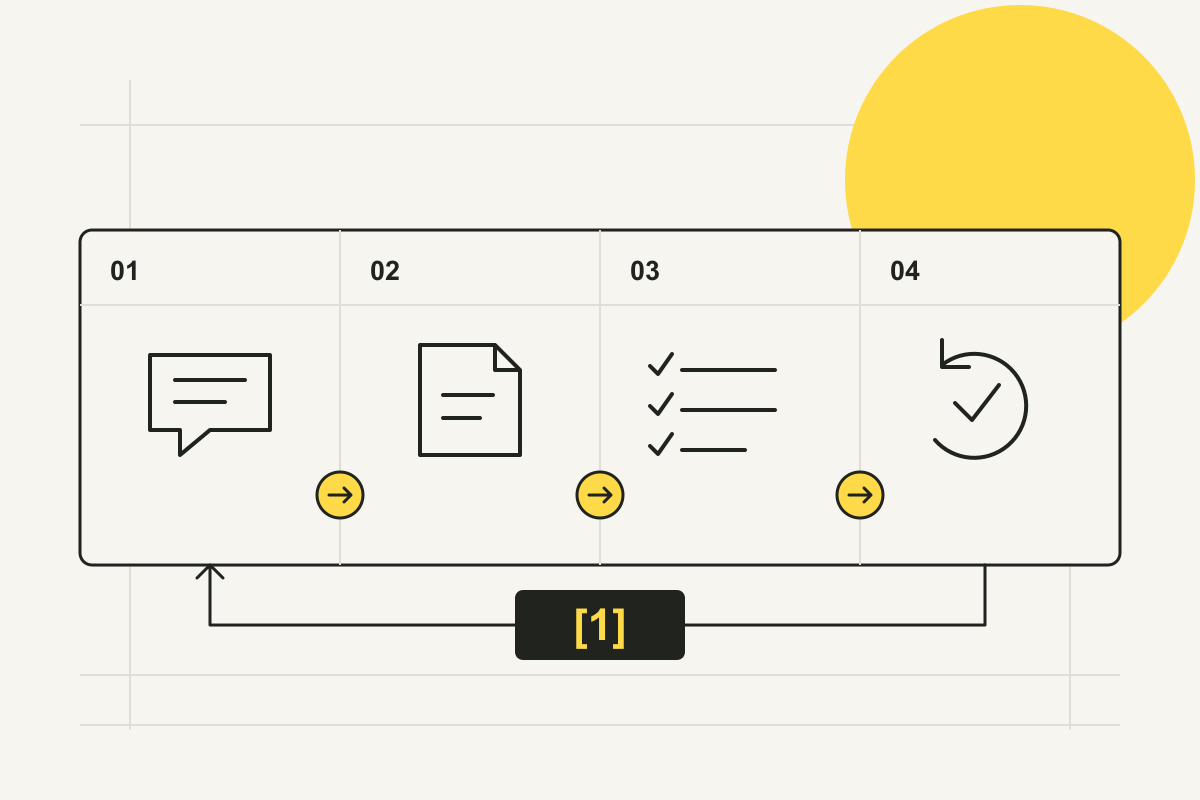
- 01Define Ukrainian buyer needs
- 02Save the starting evidence
- 03Assign and verify changes
- 04Repeat checks and decide
Sources & further reading
BeeCited reviewed public sources on 23 October 2026 and also sells GEO services. This limited sample describes provider declarations; it is not a ranking or a test of delivery. No providers were contacted and no client accounts were accessed. Prices, case outcomes and national market coverage were not independently verified. Editorial, factual and language checks used AI assistance; independent expert or native-speaker review is not claimed.