Start with four things you can verify
When choosing a GEO agency, ask to see the proposed work before you discuss a visibility score. Generative engine optimization, also called GEO, covers work intended to improve how a business is discovered and represented in AI answers. Providers may use AEO or AI SEO for overlapping services, so compare deliverables rather than labels.
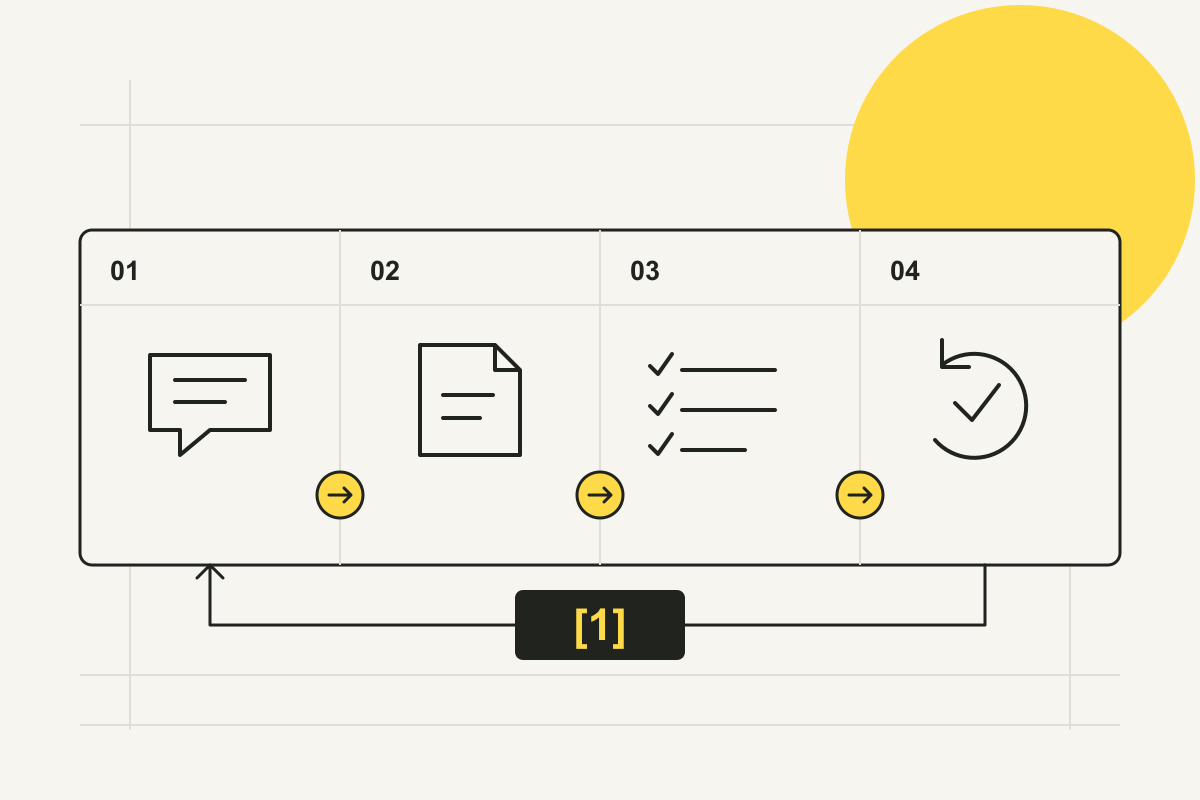
A useful proposal connects four things: a business question, a diagnosed gap, an implemented change and evidence for checking that change. If an agency cannot show that connection, ask it to explain the scope more clearly before committing.
Google recommends asking an SEO provider about its methods, communication and expected outcomes. Its AI guidance says ordinary SEO foundations remain relevant to Google’s generative features. That makes basic implementation competence a useful place to start, even when a proposal carries a new acronym.
- 01Define the buying question
- 02Agree on the work
- 03Inspect the evidence
- 04Keep access and ownership
Google: Choosing an SEO provider Google: Optimizing for generative AI features
1. Which customers, markets and questions will you target?
Ask the agency to name your priority service, customer type, language and market. A branded question such as “what does our company do?” tests something different from a buyer asking for providers. A useful programme explains which of those tasks it is trying to improve.
Request a starter question set and the reasoning behind it. Relevant examples might cover choosing a provider, comparing options and understanding price. Treat invented prompts as test questions until actual customer conversations or search data support them. A large prompt count is not evidence of demand.
- Ask for: questions grouped by buying task, with language and market stated.
- Watch for: hundreds of generic prompts with no connection to what you sell.
2. Will you save a baseline before making changes?
Without an initial record, you cannot tell whether the report shows a new observation or something that already existed. Ask for the exact questions, full answers, cited URLs, dates, platform modes and number of repeated checks. Keep a copy your team can access.
An agency can still start work when your brand is absent from the sample. What it should not do is turn an unknown starting point into an impressive growth claim. Changes to the question set, model or test conditions should be visible in later comparisons.
- Ask for: a dated baseline and a written counting rule.
- Watch for: a growth percentage without the original sample or denominator.
3. Which AI products and modes are actually covered?
“Visible in AI” is too broad for a scope. Ask which products are checked, whether web search is enabled, which languages are used and whether local context is specified. ChatGPT search, an answer without web search and Google’s AI features should not be treated as one interchangeable test.
OpenAI says ChatGPT search placement is not guaranteed. A provider should describe the conditions it can observe and improve, while being clear about what the platform controls. Ask for separate results when different products or modes are included.
- Ask for: named products, modes and reporting coverage.
- Watch for: a universal “AI ranking” that hides the platform and question.
4. What will you deliver, and what will you implement?
Get a list of pages, technical fixes, profile corrections, content pieces and reporting tasks. Separate recommendations from implementation. An audit document does not rewrite a service page, change a firewall rule or install a verified lead event.
For each task, agree who does it, what your team supplies, how it is approved and what counts as complete. A service page might be accepted when the agreed information is published and checked; that is different from promising that an assistant will cite it.
- Ask for: deliverable, responsible person, acceptance check and deadline.
- Watch for: “full optimization” without a page list or implementation responsibility.
5. How will you diagnose access and indexing problems?
A technically competent provider checks actual responses and search access, not just whether the homepage opens in a browser. Ask which evidence will be used to identify a block or an indexing problem, and how a fix will be tested.
Be cautious if the entire technical offer is a special AI file. Google says it does not use llms.txt for its search visibility and does not require special schema markup for generative AI search. That statement is specific to Google; ask for documentation before extending it to another platform.
- Ask for: the affected URL, observed problem, correction and verification.
- Watch for: selling a single file or schema addition as guaranteed AI inclusion.
6. What will change in the content customers read?
Ask the agency to show which buying question each proposed page answers. A clear service page explains fit, deliverables, exclusions and evidence. A useful comparison helps the reader make a decision. Repeating definitions across many near-identical articles does little to clarify your offer.
Agree how facts and translations are checked. Product claims, prices, specialist qualifications and case results need a reliable source. Your team should know who approves them before publication. A small set of substantial pages can be a better editorial choice than an arbitrary monthly article quota.
- Ask for: one page brief with its audience, question, evidence and review process.
- Watch for: automatic publication with no subject review or independent value.
7. How will you earn external mentions?
Ask which publications, directories or communities are relevant to your customers and why. A placement plan should explain what information the page will provide, whether the relationship is paid and who has editorial control.
An agency writing its own post on another domain is still publishing its own claims. It is not automatically an independent endorsement. Request a placement log with live URLs, costs and relationship disclosures. Avoid invented reviews, concealed sponsorships and answers posted under fake customer identities.
- Ask for: relevance, live URL, cost, disclosure and approval process.
- Watch for: a promised volume of “independent mentions” without named sources.
8. How will you separate mentions, citations, visits and leads?
A mention names the brand. A citation links to a source. A referred visit reaches the website. A qualified inquiry is a contact that fits your offer. None of those events automatically proves the next, so a report should keep them separate.
Ask what a lead event means and how it is checked. Clicking a submit button is not confirmed delivery. Also ask which sources can be attributed and which cannot. If a report counts every direct visit as an AI referral, it is claiming more than the available evidence supports.
- Ask for: metric definitions, denominators and a verified inquiry event.
- Watch for: a single score presented as evidence of new customers.
9. Can our team inspect the answers behind the report?
A dashboard is useful only if you can understand the underlying observations. Request an export or shared record of full answers, citation URLs and test conditions. Check whether the sample stayed stable and whether unfavourable observations are retained.
You should be able to reproduce the calculation from the report’s definition, even if a future AI answer differs. Ask whether access and exports continue when the engagement ends. Screenshots can illustrate a finding, but a cropped brand name does not establish its context.
- Ask for: underlying answers, exports and access during handover.
- Watch for: favourable screenshots only, with the query or date removed.
10. What will we review at the first checkpoints?
Separate the schedule for agreed work from the timing of an independent system’s response. An agency can commit to finishing an audit or publishing approved pages. It cannot choose when every AI product discovers, uses or cites those pages.
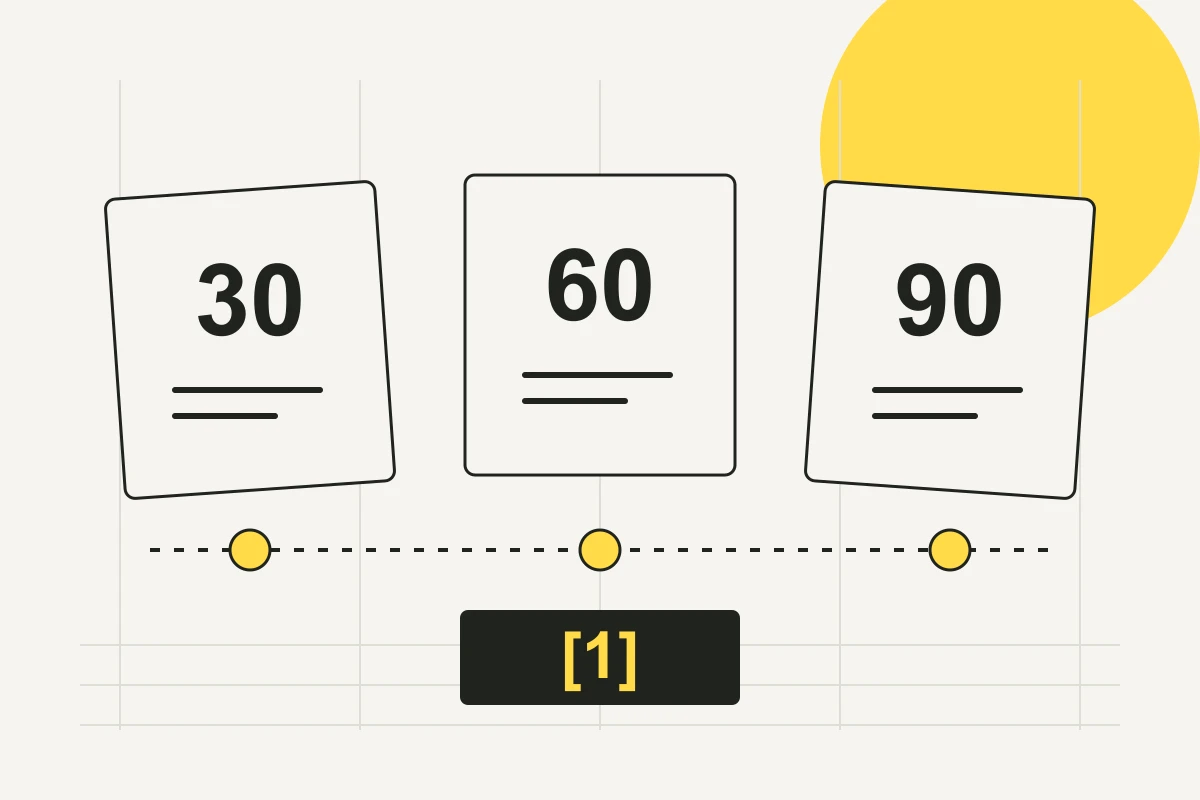
For example, use 30, 60 and 90 days as review checkpoints: what was implemented, which questions were repeated and what changed in the available evidence? This is a proposed review schedule, not an industry benchmark or a promise of results within 90 days.
- Ask for: delivery milestones, review dates and a decision if progress is unclear.
- Watch for: a guaranteed citation date without defined conditions or evidence.
11. What do your case studies actually prove?
Ask for a case relevant to your kind of business, then inspect the starting conditions, dates, scope and observation method. Look for the work performed and the limits of what was measured. An anonymized example can be useful when its evidence is sufficiently explained.
A case without a baseline may show an observed citation, but it cannot establish growth from an unknown starting point. Likewise, several changes made together do not isolate the effect of one change. Ask how the agency describes those limits instead of treating every screenshot as causal proof.
- Ask for: a dated case, method, permissions and stated limitations.
- Watch for: unverified client logos, missing periods or results claimed without evidence.
12. What is the total cost for the same scope?
Compare the complete cost over the agreed project period. Ask whether the quote covers implementation, editing, translations, tools, placements and ongoing reporting. Separate project fees, instalments and recurring fees so that two proposals can be compared fairly.
A lower price may cover advice alone; a larger quote may include development and publication. Neither is better without the scope. Request approval rules for additional spending and a list of exclusions. Use your own sales economics to evaluate the budget rather than relying on a forecast the evidence cannot support.
- Ask for: total fee, payment dates, third-party costs and exclusions.
- Watch for: a low headline price with essential implementation priced later.
13. Who owns our accounts, website and materials?
Confirm who controls the domain, analytics property, hosting, profiles, content and code. Where possible, keep business accounts under your organization and grant the access needed for the task. Ownership and usage rights should be stated in the agreement.
Ask what happens if you change providers: which files, exports, documentation and permissions are handed over? Agree how access is removed. Avoid an arrangement where your only route to your own reports or website depends on a former contractor remaining available.
- Ask for: an ownership list and a practical handover plan.
- Watch for: accounts created solely under the contractor with no exit process.
14. Who approves claims, changes and sensitive information?
Name the person who approves content and the person who implements technical changes. Agree a review process for service details, prices, specialist claims and translations. Sensitive industries may need a qualified subject reviewer as well as an editor.
Reports should use the evidence needed to assess the work without exposing customer messages or personal details. Ask for limited access, safe screenshots and approval before public case publication. This is an operational check; adapt any contractual requirements with the appropriate adviser.
- Ask for: named approvers, access rules and case publication permissions.
- Watch for: publishing customer claims or private data without review.
15. When will we reassess the programme or stop?
Agree what happens if the initial diagnosis changes, the work is delayed or the observed results remain unclear. A useful provider can recommend a narrower fix, a different priority or a pause when the business case does not justify continuing the same programme.
Define notice periods, incomplete deliverables and the handover process in writing. The goal is to make a considered decision using completed work and available evidence, rather than renewing because a dashboard number looks encouraging.
- Ask for: review criteria, exit terms and the final materials you receive.
- Watch for: renewal pressure without a clear account of the work and results.
A proposal comparison sheet you can reuse
Copy this table into your own document and add a column for each provider. Record the actual answer and link to its evidence; use “not supplied” when information is missing. Compare the same market, languages and period. Do not turn missing information into an assumed advantage or an invented score.
| Criterion | Evidence to record | Decision to make |
|---|---|---|
| Fit | Priority service, audience, markets and question set | Does it address our buying situations? |
| Baseline | Saved answers, URLs, modes, dates and counting rule | Can we interpret the later comparison? |
| Delivery | Named tasks, owners, approval and acceptance checks | Who implements each change? |
| Content and external sources | Page briefs, review process and placement relationships | Is the material useful and verifiable? |
| Reporting | Separate metrics, raw answers and export access | Can our team inspect the calculation? |
| Budget | Total fee, tools, placements and exclusions | Are the quotes for equivalent work? |
| Ownership | Account control, usage rights and handover | Can we change providers without losing access? |
| Review and exit | Checkpoints, remaining tasks and notice terms | When do we change course? |
Send the same brief to every shortlisted agency
A consistent brief makes the answers more useful. Include your website, priority service, customer type, market, language, current marketing activity and the business action you want to improve. Add any saved AI answers and known website problems as starting evidence.
Ask each agency to return a diagnosis, a proposed scope, implementation responsibilities, a complete budget, a reporting example and ownership terms. Describe any access or approval constraints upfront. You can then compare work instead of trying to interpret different package names.
If you are considering BeeCited, send the same brief to us. Our GEO programme connects the website, content, brand information, external sources and measurement within an agreed scope. Use this checklist to evaluate our proposal as you would any other provider’s.
- Website and priority service:
- Customer, market and working languages:
- Desired business action and current measurement:
- Known gaps and saved answers:
- Available team, approvals, budget and timing:
Common questions before hiring a GEO agency
Can an agency guarantee a ChatGPT recommendation? OpenAI says search placement is not guaranteed. Ask for commitments to work, evidence and reporting instead of a guaranteed position in an independent product.
Should a small business buy a full programme? Only when the diagnosis supports that scope. A focused technical fix, clearer service page or corrected measurement can be a sensible first step. Ask why a coordinated programme is needed for your situation.
How should you choose between a GEO and an AEO agency? Compare the tasks, platforms, implementation and evidence each actually includes. The label alone does not establish whether the provider fits your business.
What is the most important warning sign? A claim you cannot inspect: guaranteed placement, unexplained growth, unverified cases or a report without underlying answers. Request the evidence before you make the decision.
OpenAI: Searching the web with ChatGPT Google: Choosing an SEO provider
Sources & further reading
Written by BeeCited, a provider of GEO services. This is our buyer evaluation framework, not an independent agency ranking or a proven ranking formula. Platform guidance was checked on 13 October 2026; it supports the specific statements cited below, not every recommendation in this checklist.