Choose the first task with this priority matrix
Start with one important service, one audience and the language they use. Check the conditions below in order. If several problems coexist, resolve access first, then the page’s usefulness; do not wait for a perfect website before recording your starting evidence.
This is an open planning tool. “Result” means a deliverable you can inspect, not a promised citation or inquiry. Keep basic measurement alongside every stage rather than buying a large monitoring setup before you can act on its findings.
| Business state | First funded task | Verifiable work result | Next step |
|---|---|---|---|
| The priority page is unavailable to search | Diagnose and fix the specific public-page access or indexing obstacle. | A dated before/after record of the URL, response, directives and readable content; inspection evidence where available. | Recheck discovery and assess whether the page answers the buyer’s question. |
| The site is accessible, but service information is thin | Improve one service page using real scope, buyer questions and available evidence. | An approved page explaining fit, deliverables, limits, evidence and a working contact route. | Observe buyer questions and saved answers; address the most relevant missing external facts. |
| Useful content exists, but external evidence is missing or inconsistent | Correct a relevant public profile or prepare one substantiated contribution for a suitable publisher. | A corrected source URL or a documented submission with approval, disclosure and publication status. | Check the source and repeat the same observations before funding more outreach. |
If search cannot access the page, buy a diagnosis and a bounded fix
Ask for the affected URL and evidence of the obstacle: an error, unintended noindex, blocked crawling, missing text or a canonical pointing elsewhere. A developer should explain the cause and the smallest appropriate change. A missing AI mention by itself is not proof of a technical block.
Google says that supporting links in AI Overviews and AI Mode must be indexed and eligible for a Search snippet. Meeting those conditions does not guarantee indexing or display. This guidance concerns Google Search; do not treat it as the specification for every AI assistant.
Agree on a before/after check and who will implement the repair. In the business’s own Search Console, URL Inspection can add evidence when access is available. If it is unavailable, record that limit; do not describe a local HTTP check as proof of Google indexing. Preserve deliberate restrictions on private pages.
If the offer is unclear, improve one useful service page
Choose a page connected to an actual service and recurring sales questions. State who the service suits, what is included, what is excluded, what the customer must supply and how to take the next step. Use a real example or explain the method when publishable results are unavailable.
Have the service owner approve the facts. Add evidence where a claim needs support, and remove claims you cannot verify. Google’s content guidance asks whether a page helps its intended audience complete a goal and contributes original value. It does not set a preferred word count.
Accept the work by reading the published page on a phone and comparing it with the approved brief. Check the important text, links and contact route. A new page count or a content score alone does not show that a buyer can understand the offer.
If the page is useful, investigate the missing external evidence
Inspect the sources in your saved answers and the profiles customers actually encounter. Correct an outdated service area or conflicting description before commissioning broad outreach. For a local business, first establish whether a business listing is appropriate for its real operating model.
A credible contribution needs something worth publishing: a documented method, a useful comparison or original evidence you have permission to share. Record whether the source is owned, paid or independently edited. The publisher decides whether to accept a submission; a draft is not a published mention.
Choose relevance and factual accuracy over a quota of links. Do not buy fabricated reviews, client stories or guaranteed AI recommendations. The sequence here is a resource-allocation judgment by BeeCited, not proof that one new mention causes an assistant to cite a business.
Keep fact gathering inside the team; assign specialist work explicitly
The business can collect repeated customer questions, confirm service facts, provide permissioned examples and approve copy. Someone must still own the work and have time for it. Internal work has an opportunity cost even when no supplier invoice arrives.
Assign technical repairs to someone who can safely change and verify the site. Use editorial help where the team lacks the required language or subject knowledge. Google notes that small local businesses can often do much SEO work themselves; that is not a claim that every technical task needs no specialist.
Keep accounts, source files and the observation log accessible to the business. If nobody can implement the recommendations, resolve ownership before buying another audit. Detailed DIY-versus-agency decisions are separate from choosing the first expenditure.
Defer a task until its decision condition is met
A postponement should name the condition that would make a purchase useful. It should not become a permanent ban on a tool or a channel. Revisit these decisions when your workload or evidence changes.
| Possible expenditure | Defer while… | Reconsider when… |
|---|---|---|
| Large monitoring subscription | Nobody has defined the question set or owns follow-up actions. | Manual records no longer cover the agreed sample reliably, and an export or repeat schedule solves a specific problem. |
| Bulk article production | The priority service page still lacks accurate scope and evidence. | The core offer is clear and distinct unanswered buyer questions justify additional pages. |
| A full redesign | The diagnosed problem can be repaired on the existing site. | Documented platform limits prevent the required content, access or customer journey. |
| A special “AI file” or schema package | It is sold as a prerequisite to appearing in Google’s AI features. | There is a defined consumer or valid markup need; Google requires no special AI file or schema for these features. |
Copy this brief to compare the same scope
Fill in the brackets and send the same brief to each provider. Leave unknown fields marked unknown. Start with the dependency you found; keep optional expansion separate from the first task. The pricing guide linked below explains prices and payment terms; this template determines what you are buying.
| Field | Complete before authorizing expenditure |
|---|---|
| Problem and evidence | [Service / audience / language / URL]; [observed obstacle]; [dated evidence]; [what is still unknown]. |
| First deliverable | [Exact fix, page or source]; [included implementation]; [explicit exclusions]. |
| People and dependencies | [Business approver]; [implementer]; [required access or material]; [what happens if unavailable]. |
| Acceptance | [Before/after artifact]; [who checks it]; [working contact-route check]; [handover files]. |
| Cost and control | [Agreed amount / currency / tax treatment]; [initial versus recurring work]; [tools and placements]; [approval cap]; [account ownership]. |
| Next decision | [Review date]; [evidence to collect]; [continue / change / pause condition]; [optional next task quoted separately]. |
Review completed work before increasing the budget
Save an initial question set, full answers, source URLs and conditions. At review, show the changes delivered alongside repeated observations. Separate brand mentions, linked citations, recognized visits and inquiries accepted by the selected delivery channel. A CTA click or a thank-you page is not a delivery receipt.
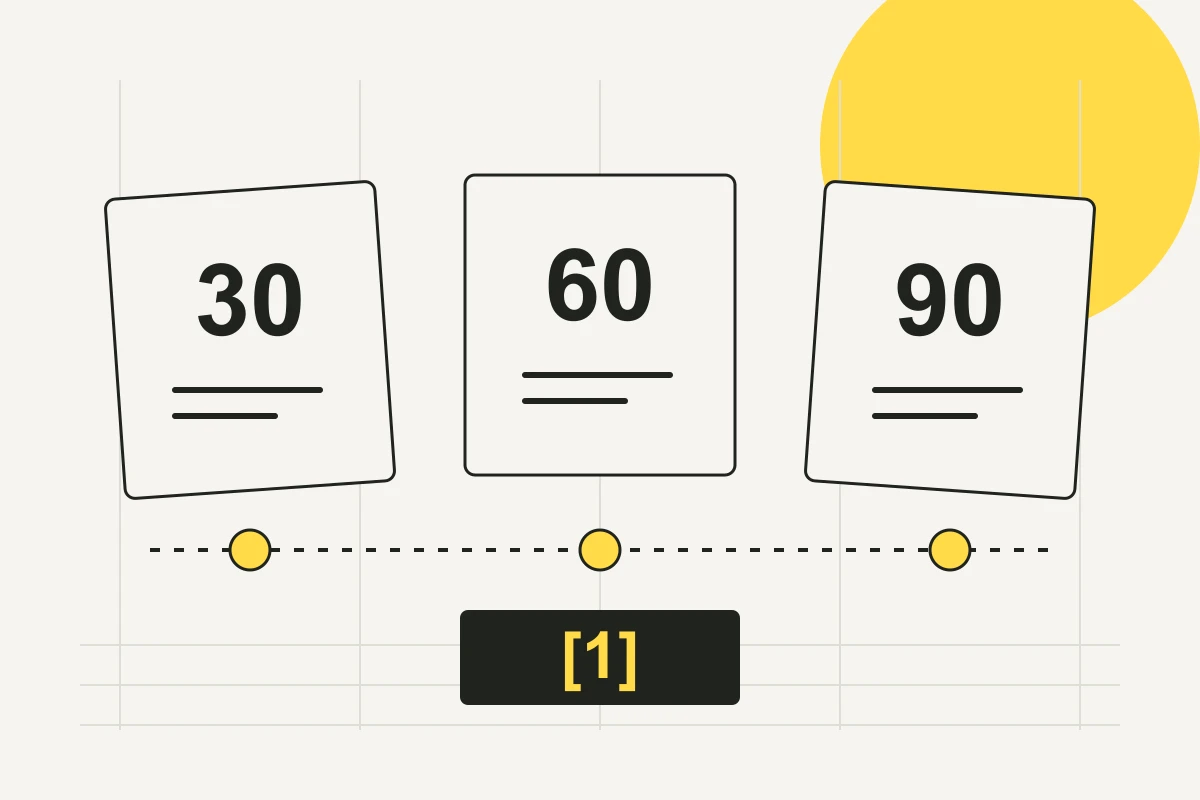
You may schedule checks at 30, 60 and 90 days. These are decision dates, not deadlines for a citation or revenue. Continue when the agreed work is accepted and the next dependency is clear; change the plan when evidence identifies another obstacle; pause expansion when access, approval or a usable next step is missing.
A hypothetical example: an accessible repair-service site has no description of what its inspection includes. Its first task is a factual inspection page approved by the service owner. Acceptance is that page and a verified contact route. Any later citation remains a separate observation; this is not a BeeCited client case.
For the foundations, read the GEO introduction; for verification, use the website checklist and measurement guide below. If you want BeeCited to scope the first task, send the service, URL, language and observed obstacle through the shared inquiry form. We can propose a bounded scope before discussing a wider programme.
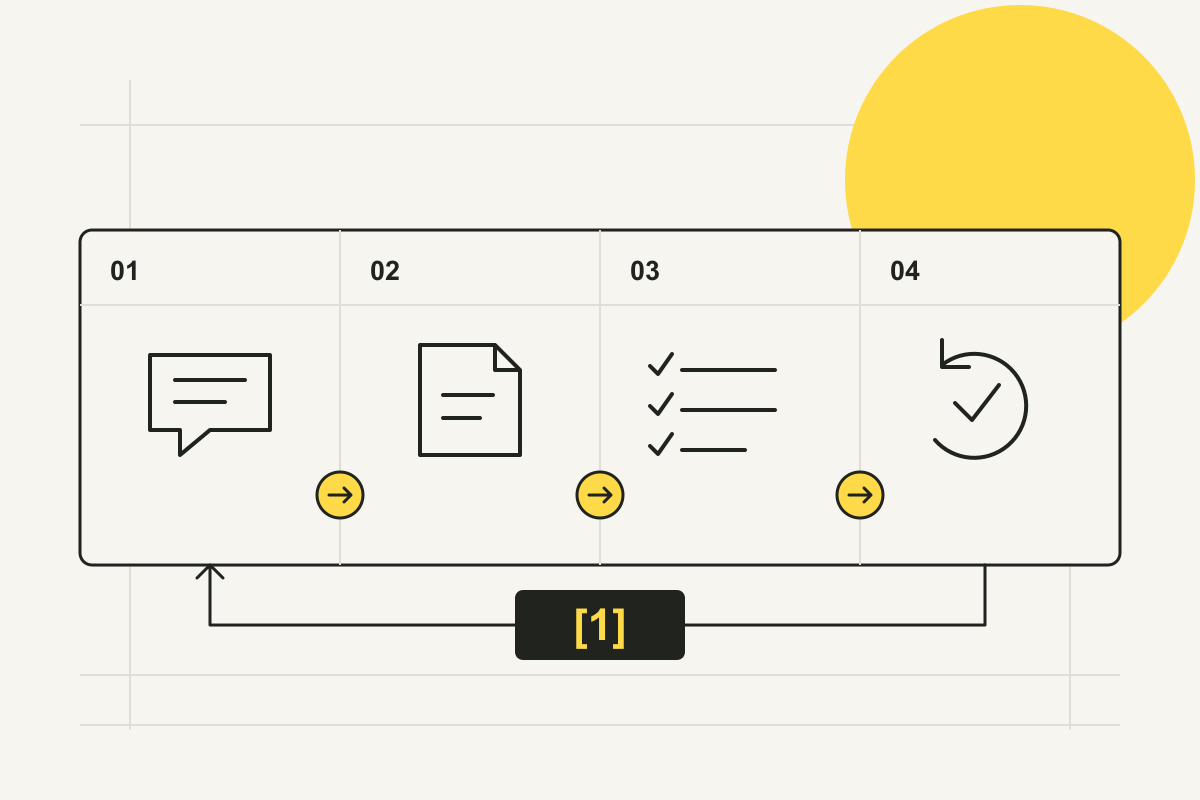
- 01Find the dependency
- 02Fund one deliverable
- 03Accept the work
- 04Review the next step
Sources & further reading
Sources checked on 26 October 2026. The priority matrix and spending brief are BeeCited’s editorial method, not a platform ranking formula or a client study. BeeCited sells GEO services. No market-average prices, measured demand or client outcomes are claimed. Editorial, factual and language checks used AI assistance; independent expert or native-speaker review is not claimed.